 how-to
How to Book Vehicle Patrol Services Near You
Last Updated: November 2, 2026
Quick Summary
Vehicle patrol services cover your property on a set schedule, check access points, respond to incidents, and log findings in written reports. To book one, define your property and hours, identify your risk points, set coverage goals, then request and compare quotes from several providers.
- Patrol frequency is the biggest driver of price, so compare quotes for the same hours and frequency.
- Request a line-item quote splitting labor, vehicle and fuel, reporting, and administrative fees.
- Verify the provider's state license directly with the regulating agency, not just on its website.
- Ask for a certificate of insurance and confirm the policy is current with the insurer.
- Mix scheduled rounds with random visits so your coverage stays unpredictable to intruders.
Table of Contents
- What Vehicle Patrol Services Include
- Security Patrol Frequency: How Often Is Enough
- Mobile Security Patrol Cost: What Drives Pricing
- Step-by-Step: How to Book Vehicle Patrol Services
- Questions to Ask a Security Company Before Hiring
- Security Patrol Services for Construction Sites
- Requesting Your Patrol Quote from Securify Security Services
- Frequently Asked Questions
What Vehicle Patrol Services Include
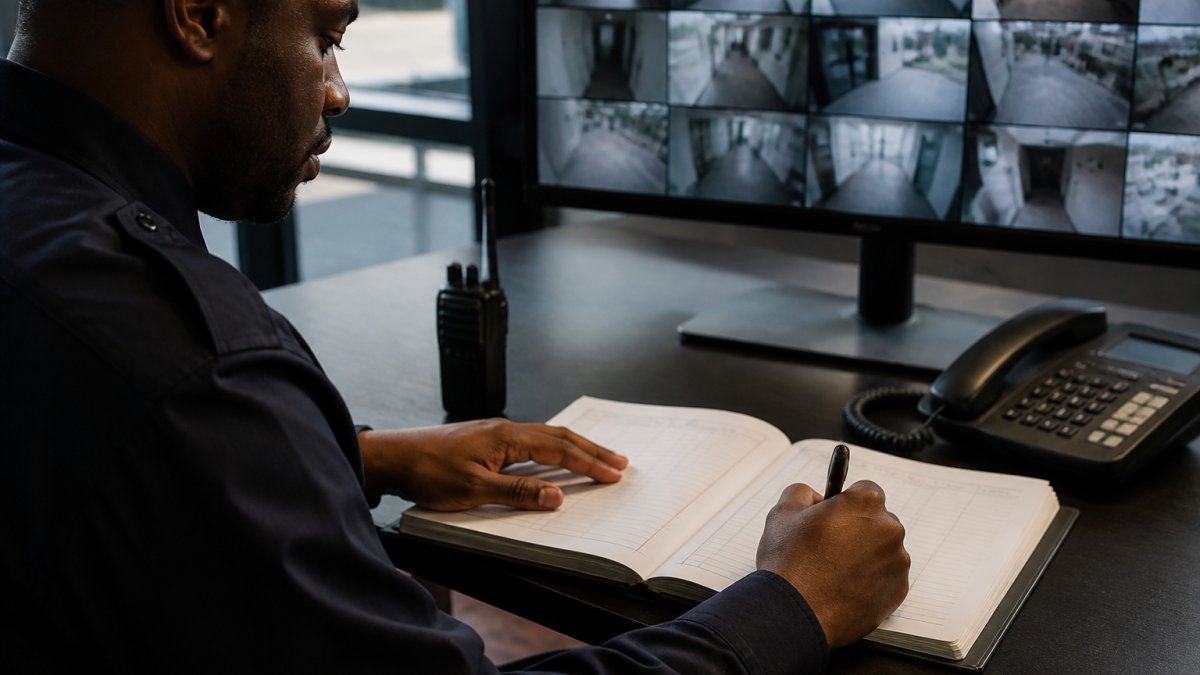
Vehicle patrol services are one of the most visible forms of security coverage for commercial and residential properties. A detailed breakdown of what apartment patrol coverage includes is available for property managers weighing the same questions.
In practice, a vehicle patrol service covers several core functions.
Many property managers find that a visible patrol vehicle also deters crime before any incident happens. Visible security presence is often the first line of defense for parking lots, construction yards, and apartment complexes.
Scheduled and Random Patrol Routes
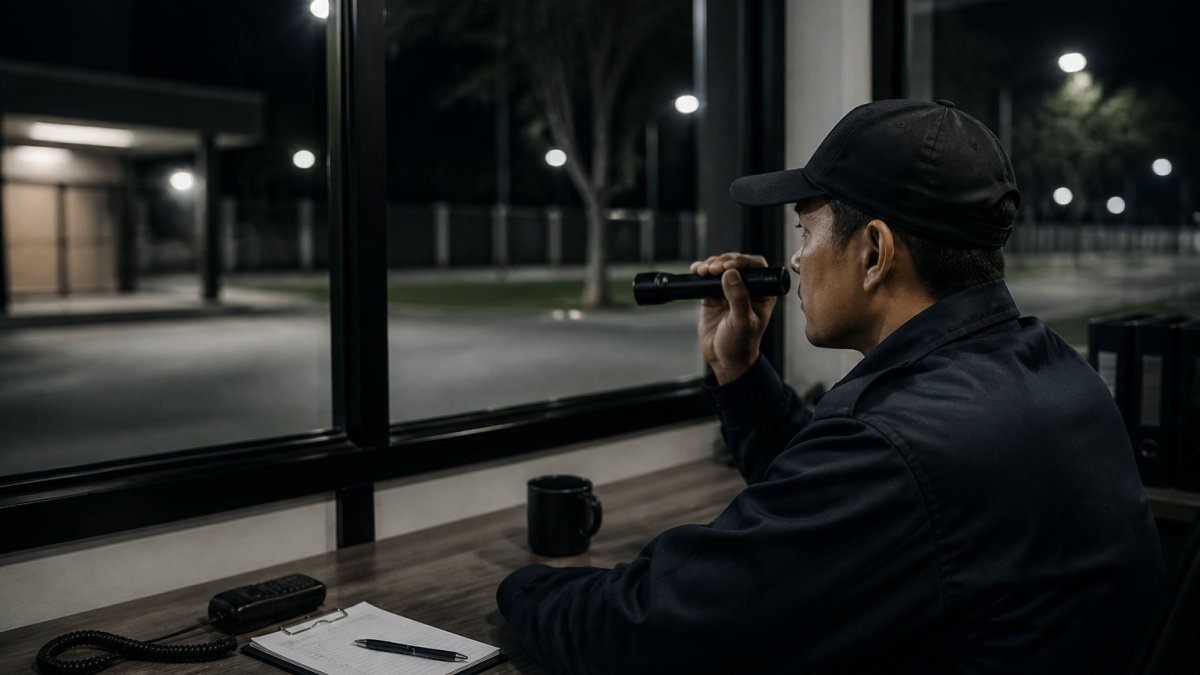
Scheduled patrols follow a fixed route at set times, which gives the property a predictable baseline of coverage. Random patrols change the timing and sequence of visits, which makes it harder for anyone planning a break-in to predict when the property is unguarded.
Most clients use a mix of both. Scheduled rounds cover required checkpoints, while random visits fill the gaps between them. Ask any provider how they vary their routes and how often each checkpoint is visited.
Targeted Inspections and Property Monitoring
Beyond routine rounds, targeted inspections focus on specific problem areas. These might include a loading dock after hours, a gate that has been tampered with, or a parking structure with recent vehicle break-ins. Targeted checks let officers respond to the risks a particular property actually faces.
Property monitoring covers the ongoing oversight of the site between visits, including reviewing incident logs and checking that required access points stay locked.
Security Patrol Frequency: How Often Is Enough
The right patrol frequency depends on the property's risk level, hours of operation, and history of incidents. A low-risk office building with no after-hours traffic may need only a few visits per night.
Start by listing when the property is empty, which areas hold the most valuable items, and any past incidents. This list will tell you whether you need hourly visits, a few checks per shift, or a full-time patrol.
Mobile Security Patrol Cost: What Drives Pricing
Vehicle patrol pricing is not a fixed rate card, and that is not because the pricing is arbitrary. Patrol cost is built from a small number of variables, and once you understand them you can estimate a range before you ever call a provider and compare proposals on equal terms.
The variables that move the number
- Coverage hours. A route that runs 10 p.m. to 6 a.m. costs less than one that runs around the clock. Overnight and weekend coverage usually carries a premium because of labor rates and officer availability.
- Patrol frequency. One pass per night, hourly checkpoints, and continuous on-site presence are three very different products. Frequency is the single biggest driver of price.
- Number of stops on the route. Patrol vehicles often serve several properties on a shared route. A property that sits between other stops can cost less than one that requires a dedicated vehicle and a long drive.
- Travel and drive time. Providers bill for the time a vehicle spends getting to and between sites. A property far from the provider's operating base pays for that distance.
How to read a patrol quote
Ask every provider to break the quote into four lines: labor (officer hours), vehicle and fuel, technology and reporting, and management or administrative fee. A quote that arrives as a single lump sum is hard to compare and easy to inflate. A line-item quote lets you see whether you are paying for coverage or for overhead.
Confirm the billing unit. Some providers bill per visit, some per hour, and some per shift. A "per visit" rate that looks cheap can be expensive if the visit is a five-minute drive-through with no checkpoint stops.
What a realistic budget looks like
Exact rates vary by market, route density, and scope, so treat any single number with suspicion. Current cost benchmarks for professional security guard services can help you judge whether a patrol quote is in range.
Pricing depends on scope, hours, frequency and reporting requirements. For a current quote based on your property, visit the Securify Security Services website or contact the team directly.
Red flags in patrol pricing
- A quote far below the others with no explanation of scope differences.
- No written description of what a "patrol" includes (checkpoints, frequency, reporting).
- Fuel surcharges or trip charges disclosed only after signing.
- Auto-renewal clauses with large cancellation penalties.
- No proof of insurance or licensing attached to the proposal.
Step-by-Step: How to Book Vehicle Patrol Services
Booking a patrol service is simpler when you prepare before you call. Follow these steps:
- Define your property and hours. Note the address, square footage, operating hours, and any high-risk areas.
- Identify your risk points. List gates, loading docks, storage areas, and parking zones that need checks.
- Set your coverage goals. Decide whether you need scheduled rounds, random visits, targeted inspections, or all three.
- Request a quote. Provide your property details and coverage requirements to the provider.
- Review the proposal. Check the patrol frequency, reporting method, and response procedures in writing.
- Confirm onboarding. Agree on a start date, site walkthrough, and the point of contact for incident reports.
A common mistake is to skip the site walkthrough. Officers who know the property from day one respond faster and make fewer errors.
Before you call a provider, work through these steps in order so your quote request is complete.
| Step | What to do | Time or frequency |
|---|---|---|
| Define your property and hours | Note address, square footage and operating hours | Before calling |
| Identify your risk points | List gates, loading docks, storage and parking zones | Before calling |
| Set your coverage goals | Choose scheduled, random, targeted or all three | Before calling |
| Request a quote | Send property details and coverage requirements | Once you have the details |
| Review the proposal | Check frequency, reporting and response procedures in writing | Before signing |
| Confirm onboarding | Agree start date, site walkthrough and incident contact | Before go-live |
Questions to Ask a Security Company Before Hiring
A patrol contract is a trust decision. The provider will have keys, gate codes, and after-hours access to your property, and its officers will be the people your tenants and employees encounter at 2 a.m. The questions below are the ones that separate a professional operation from a company that simply owns a marked car.
Licensing and registration
Security providers are regulated at the state level, and the requirements differ by state. In California, for example, that agency is the Bureau of Security and Investigative Services (BSIS), and a Private Patrol Operator (PPO) license number can be checked in the bureau's online license search (Bureau of Security and Investigative Services).
Also ask whether individual officers hold the required guard registration and how the company vets officers before assignment. A company license does not guarantee that every officer on your route has been vetted.
Insurance and liability
Request a certificate of insurance and read it. You want to see general liability coverage and, where required, workers' compensation. Ask what the policy limits are and whether the provider will name your property or management company as an additional insured. Confirm in writing who is responsible if an officer is injured on your site or if a third party claims damage caused by a patrol vehicle.
Patrol operations
- How are routes built, and how often is each checkpoint actually visited?
- How does the provider vary timing so the schedule is not predictable?
- What happens when an officer finds an open gate, a broken window, or a trespasser? Ask for the written escalation procedure.
- How quickly does the provider notify you of an incident, and by what method, call, text, email, or portal?
- Are patrols GPS-tracked, and can you see the logs?
Reporting and accountability
Ask to see a sample patrol report before you sign. A useful report shows the time of each checkpoint, the officer's observations, photos where relevant, and any action taken. Confirm how often reports are delivered and whether you get access to a portal or only a PDF at month-end.
Staffing and continuity
Ask how officers are assigned, how turnover is managed, and whether the same officers will cover your site consistently. Consistent staffing matters for both quality and trust, an officer who knows your property responds faster and makes fewer errors. Ask how the provider handles call-offs and whether a backup officer is dispatched automatically.
Contract terms
Read the termination clause, the auto-renewal language, and the notice period. Confirm what happens to your keys, codes, and access credentials when the contract ends. A professional provider will have a written offboarding procedure.
Security Patrol Services for Construction Sites
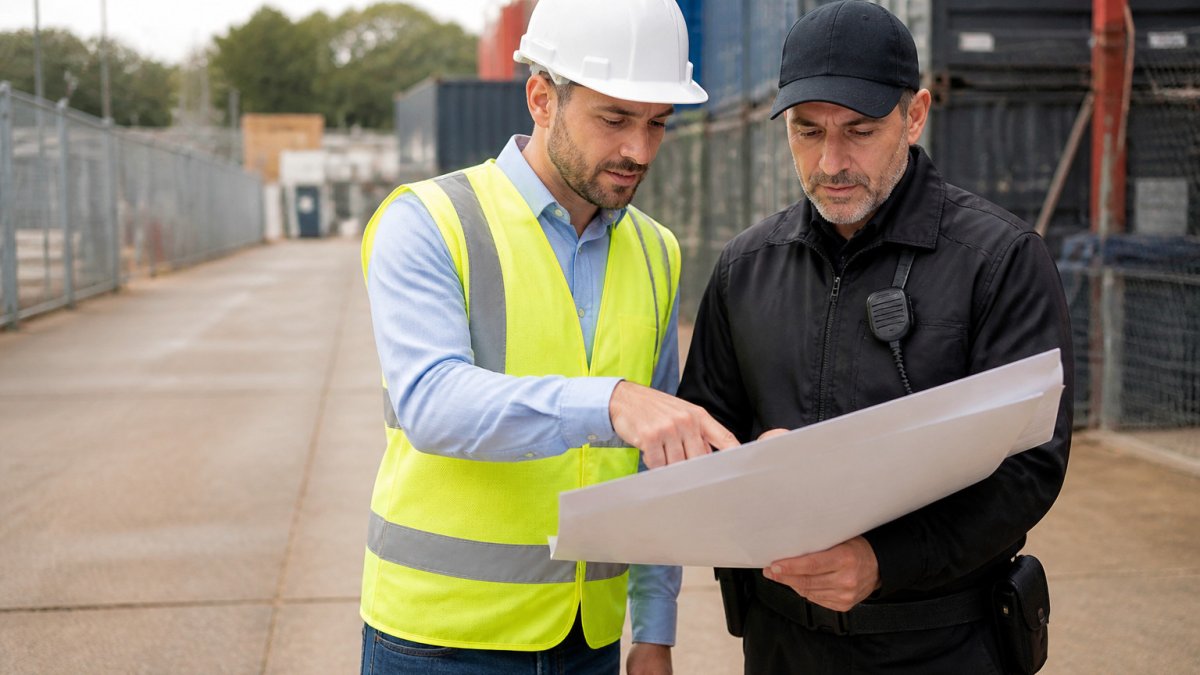
Construction sites can face theft and vandalism, especially after hours when materials and equipment sit unattended. Practical theft prevention practices can be used alongside patrol planning to cover the site more fully.
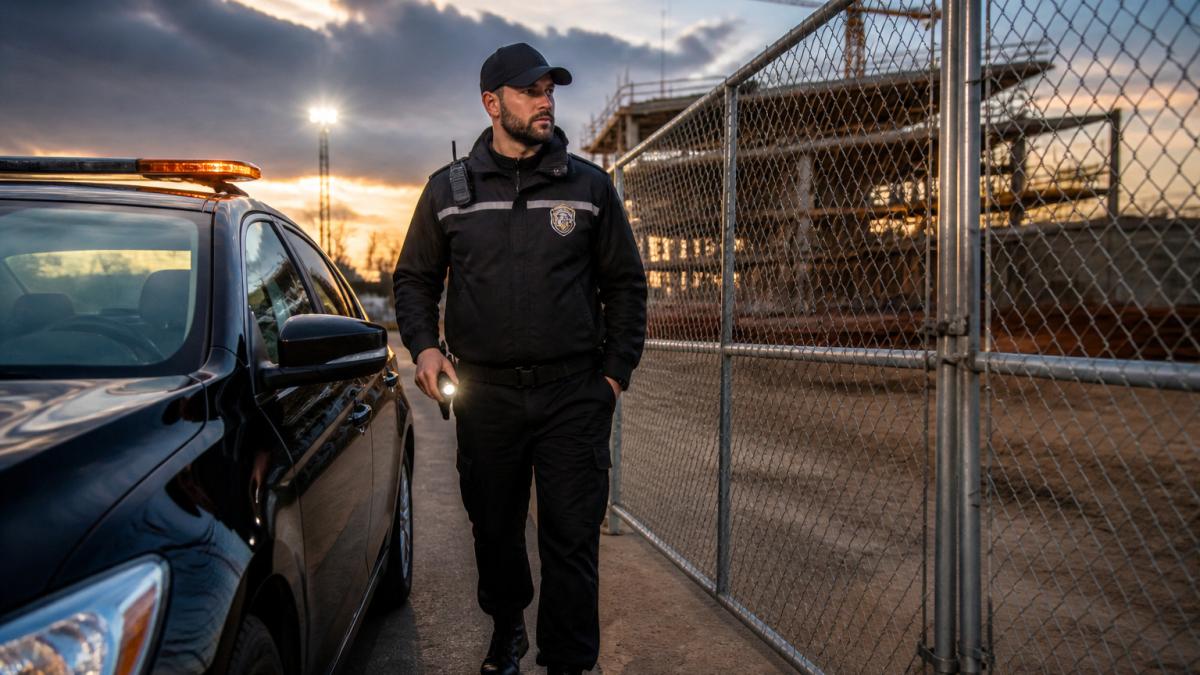
Construction managers should confirm the patrol schedule matches the project phase, since risk changes as the site moves from excavation to framing to finishing.
Requesting Your Patrol Quote from Securify Security Services
Ready to compare coverage options? Request a quote from Securify Security Services and share your property details, operating hours, and any high-risk areas. A customizable plan can be built around your site.
Get a Free Quote from Securify Security Services and put a trained, licensed patrol team to work protecting your property around the clock.
Frequently Asked Questions
What do vehicle patrol security services include?
Vehicle patrol services typically cover scheduled and random drive-through routes, targeted inspections of access points, parking areas and perimeters, and incident reporting. Officers check doors, gates and lighting, respond to alarms when needed, and document what they find. Coverage details vary by provider, so ask for a written scope of service that lists the sites, hours and check points included before you sign. Securify Security Services can tailor a patrol plan to your property; contact the company for current availability and a quote.
How do I book vehicle patrol services near me?
Start by listing your site addresses, operating hours, and the risks you want covered, such as theft, after-hours access or vandalism. Request a quote from local providers, then compare their coverage areas, response times and reporting methods. Confirm licensing and insurance, review the contract terms, and agree on a start date and a point of contact. Securify Security Services can be reached through its website to request a quote and discuss your site requirements.
How often should a security vehicle patrol a property?
Patrol frequency depends on property size, crime exposure and when the site is empty. Many businesses start with several checks per night, while high-risk sites such as construction yards or dispensaries may need more frequent or random visits. Review incident reports after the first few weeks and adjust the schedule if gaps or repeat problems appear. Ask your provider how patrol frequency and randomization are set and how changes are documented.
Are vehicle patrol guards armed or unarmed?
Vehicle patrol officers can be armed or unarmed depending on the contract, the site's risk profile and California licensing requirements. Unarmed patrols focus on deterrence, observation and reporting, while armed coverage is used where the site's risk justifies it. Confirm the officer's license status and whether the provider employs its own officers or subcontracts, since this affects accountability. Pricing and staffing for armed coverage should be quoted directly by the provider.