 blog
What Should Your Apartment Mobile Patrol Service Include?
Last Updated: October 25, 2026
Quick Summary
A mobile patrol service apartments should deliver visible deterrence, rapid response, and documented incident reporting tailored to residential properties, vehicle presence that prevents crime, plus accountability you can measure.
- Effective mobile patrol requires consistent coverage, real-time reporting, and marked vehicles with documented proof of presence.
- Risk-ranked checklists should prioritize high-crime zones like parking garages, package rooms, building entries, and vacant units with specific observable tasks and photo requirements.
- Most apartment communities benefit from multiple patrols per night at two- or three-hour intervals rather than a single walkthrough.
- Service-level agreements should measure completed patrols versus scheduled patrols, response times, photo completeness, and incident trends.
- Marked patrol vehicles with visible branding and professional appearance provide immediate deterrent value and signal active security oversight.
Table of Contents
- What Mobile Patrol Service Apartments Actually Need
- Security Patrol Checklist for Apartments
- Security Patrol Frequency for Apartment Complexes
- Mobile Patrol Reporting and Incident Logs
- Apartment Parking Lot Security Patrol
- Marked Vehicles and Visible Deterrence
- Getting a Custom Quote for Your Property
- Frequently Asked Questions
What Mobile Patrol Service Apartments Actually Need
A mobile patrol service apartments should deliver visible deterrence, rapid response, and documented incident reporting tailored to residential properties, vehicle presence that prevents crime, plus accountability you can measure.
Effective mobile patrol versus wasted spending comes down to three things: consistent coverage, real-time reporting, and marked vehicles.
Most apartment communities contract for patrol services but have no visibility into whether guards actually patrol or simply clock hours.
Security Patrol Checklist for Apartments
A comprehensive security patrol checklist for apartments is not a generic walkthrough list. It is a risk-ranked document built from your property's layout, incident history, and the zones where apartment crime concentrates, the risks in a package room differ from a stairwell, and a garage differs from a pool gate.
Start with an apartment-specific risk assessment
Before a patrol route is drawn, the provider should walk the property with your manager and score each zone on likelihood of an incident, potential severity, and current visibility, often on a 1-5 scale, with patrol priority set by the combined score. Zones that typically score highest:
- Parking garages and surface lots, vehicle break-ins, catalytic converter theft, and loitering are concentrated here because vehicles sit unattended for hours and lighting is often uneven.
- Package and mail rooms, package theft is one of the most frequently reported apartment crimes, and the room is usually out of sight of the leasing office.
- Building entries and stairwells, tailgating, unauthorized access, and trespassing after hours.
Each zone should get its own checklist line, photo requirement, and patrol frequency. A garage with a history of break-ins should be checked more often than an incident-free lobby, that is the difference between a risk-ranked checklist and a generic one.
What a zone-level checklist actually contains
A working apartment checklist assigns specific, observable tasks to each zone rather than vague instructions. For example:
- Garage: check for forced-entry marks on vehicle doors and windows, note burned-out fixtures by number, record any vehicle parked more than 72 hours in a no-overnight zone, and photograph each level's stairwell door to confirm it is closed and not propped.
- Package room: confirm the door is locked, check for forced entry, photograph the room's condition, and note any packages left outside the room.
- Pool and amenity areas: confirm gates latch, check for after-hours occupants, and photograph the gate and any damage.
Each line should require a timestamped photo. A checklist without photo evidence is a claim, not a record; when a resident reports a break-in, the photo log shows whether the area was checked, when, and what the officer observed.
Set patrol priorities, not just tasks
The checklist should also tell the officer what to do when something is found. Include an escalation line for each item, log only, notify the on-call manager, or call police. That logic turns a checklist into a response plan, and it is what most generic checklists leave out.
Review the checklist quarterly
Apartment risk changes with season, occupancy, and construction. Review the checklist quarterly with the property manager, adjust zone priorities based on the prior quarter's incident log, and add new zones, a newly opened amenity or re-striped lot changes the risk map.
Security Patrol Frequency for Apartment Complexes
Security patrol frequency for apartment complexes depends on property size, risk profile, and budget.
Most apartment communities benefit from multiple patrols per night rather than one extended shift.
For larger complexes with 200+ units, randomized patrol timing adds value.
Smaller complexes (under 100 units) typically see good results from three patrols nightly: early evening, around midnight, and early morning. Larger properties may need four or five. Match frequency to your actual risk areas and incident history.
Daytime patrols matter too, especially with high foot traffic or visible parking; visible daylight presence deters opportunistic theft and trespassing.
Patrol frequency varies by property size and risk profile, but these patterns deliver proven results.
| Property Size | Recommended Patrols | Key Benefit |
|---|---|---|
| Under 100 units | Three nightly patrols | Early evening, midnight, early morning coverage |
| 200+ units | Four or five nightly patrols | Randomized timing deters offenders |
| Any size | Multiple patrols per night | Two- or three-hour intervals beat single walkthrough |
| High foot traffic areas | Daytime patrols included | Visible daylight presence deters opportunistic theft |
Mobile Patrol Reporting and Incident Logs
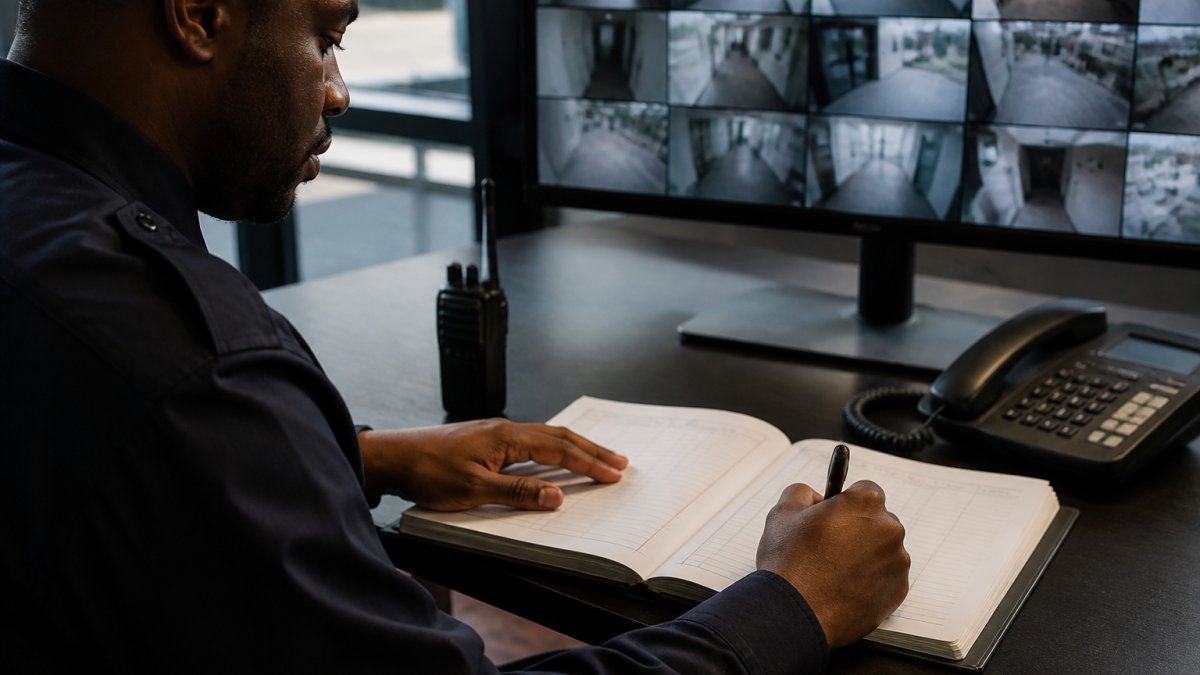
Mobile patrol reporting and incident logs separate accountability from guesswork, documentation proving what was checked, when, and what was found.
A real reporting system includes:
- Timestamped patrol logs showing start time, end time, and areas covered
- Photo documentation from each patrol (parking lots, perimeters, access points)
- Incident reports with location, description, time, and action taken
Many property managers discover their previous provider had no real reporting structure: guards patrolled, but no written record existed.
Incident documentation matters most when something happens.
Real-time reporting also changes response speed. With GPS tracking and mobile reporting, your provider can alert you immediately to suspicious activity, letting you contact police or residents in real time rather than waiting for an end-of-shift report.
Apartment Parking Lot Security Patrol
Apartment parking lot security patrol is where most theft and vandalism happens, yet many security plans treat parking as an afterthought.
An effective parking lot patrol focuses on these elements:
- Vehicle break-in patterns (checking for signs of forced entry, broken glass)
- Lighting conditions and burned-out fixtures
- Suspicious vehicles parked long-term or in unusual locations
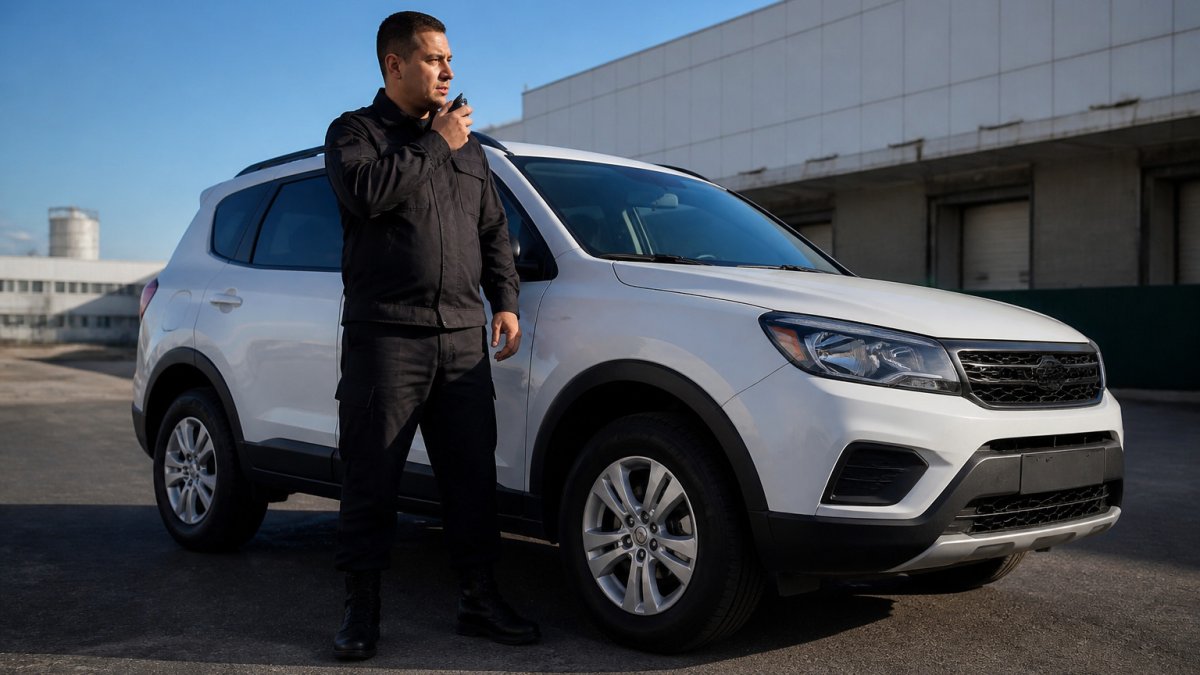
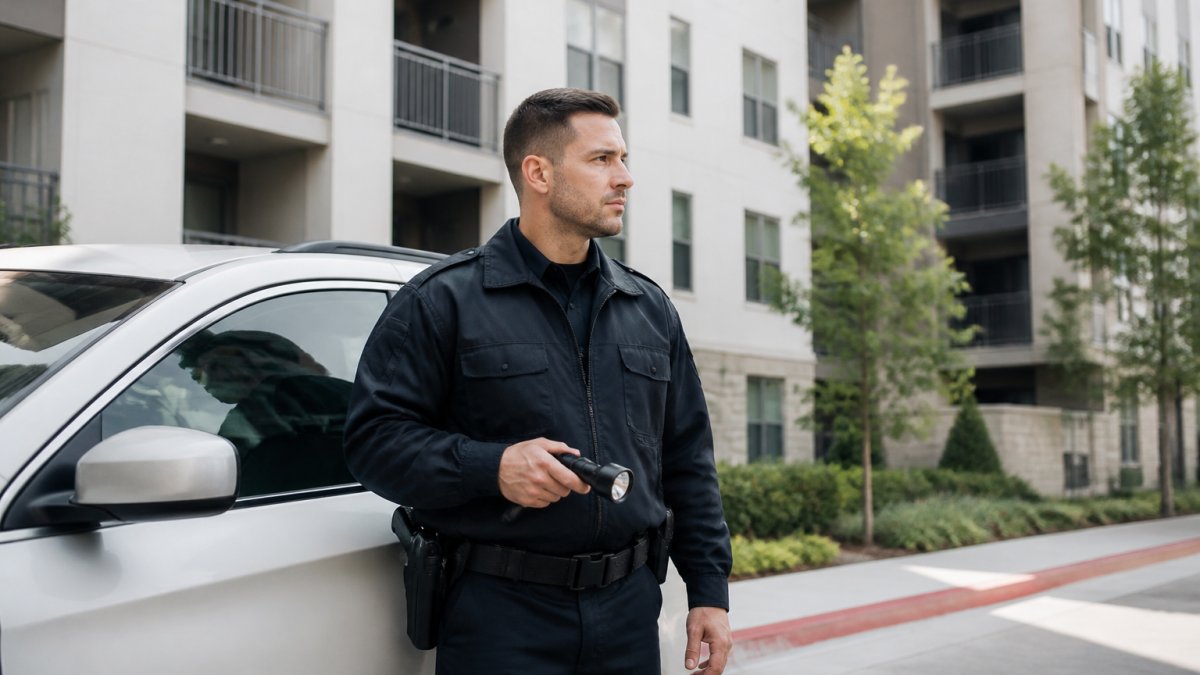
Marked patrol vehicles in parking areas have immediate deterrent value: when someone sees a security vehicle actively patrolling, they're less likely to attempt theft or vandalism.
Securify Security Services recommends multiple parking lot passes per shift with varying routes and timing.
Parking patrol documentation should include photos of lighting conditions, observed damage, and suspicious activity.
Marked Vehicles and Visible Deterrence
Marked security vehicles are one of your most cost-effective deterrence tools. A patrol vehicle with visible branding, lighting, and professional appearance signals active security oversight.
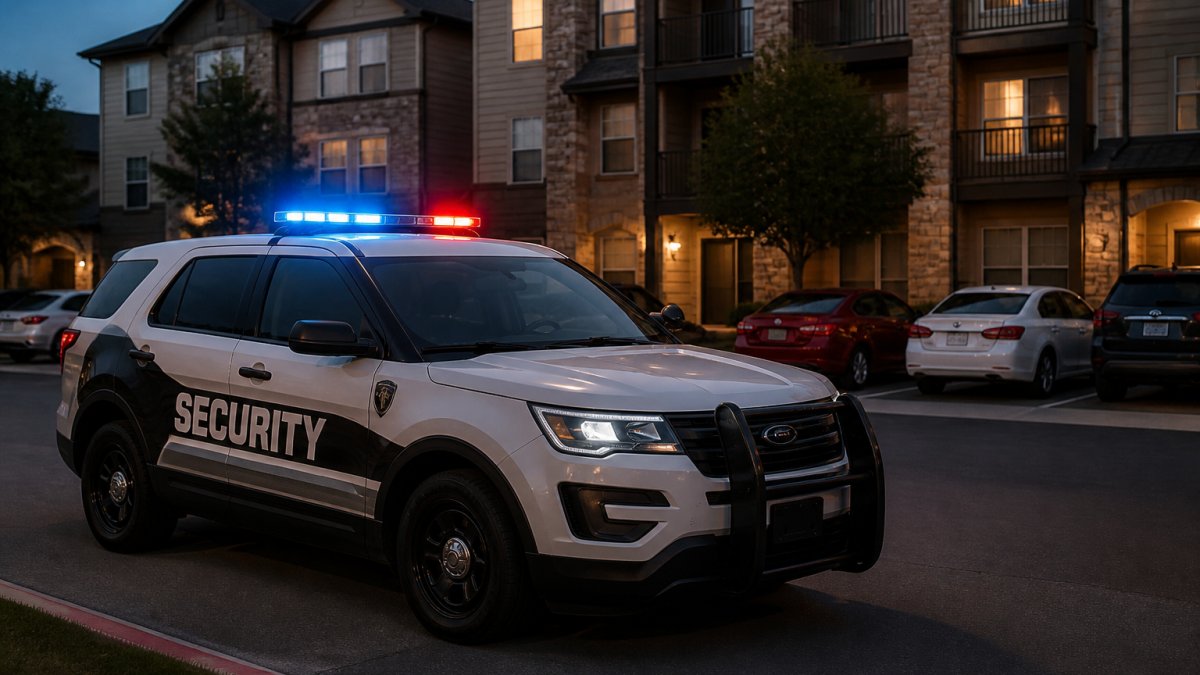
Visibility matters.
Marked vehicles should include:
- Professional company branding and contact information
- Visible lighting (roof lights, side markers)
- Clean, well-maintained appearance
Some property managers worry visible security looks aggressive or detracts from aesthetics.
The vehicle itself becomes part of your security infrastructure, not just transportation for a guard, but a mobile deterrent visible to everyone on your property.
Getting a Custom Quote for Your Property
Your apartment's security needs are specific to layout, size, incident history, and risk profile, and a quote should reflect that. But most property managers compare proposals without knowing how patrol pricing is built or what a service-level agreement should promise, where good and bad contracts diverge.
How mobile patrol pricing is actually structured
Mobile patrol is usually priced one of three ways, and each has trade-offs:
- Per-patrol-visit pricing. You pay a set rate for each completed patrol, with the rate depending on property size, number of zones, and time on site. This model is transparent and easy to audit against completed patrol logs, but the per-visit rate rises as zones and photo requirements increase.
- Flat monthly retainer. You pay a fixed monthly fee for a defined patrol schedule. This is predictable for budgeting, but it can hide under-delivery unless the contract ties payment to completed patrols and reporting.
- Hourly or shift-based pricing. You pay for officer hours, which suits properties that need extended overnight coverage or a dedicated officer rather than intermittent visits. It is the most flexible and usually the most expensive per hour.
Across all three models, cost drivers are consistent: patrol frequency, hours of coverage, property size and zone count, response-time requirements, reporting depth, and whether the vehicle is marked and GPS-tracked. A 300-unit property with two garages and a package room prices differently from a 60-unit garden-style property with one lot. Normalize proposals to cost per completed patrol and cost per zone checked, not just the monthly total.
What a service-level agreement should measure
A patrol contract without measurable service levels is a promise, not an agreement. A useful service-level agreement (SLA) defines what the provider will deliver and how you will verify it. Common, practical metrics include:
- Completed patrols versus scheduled patrols, the percentage of scheduled visits actually completed, reported monthly.
- On-time arrival window, the acceptable variance around each scheduled patrol, since randomized timing still needs a defined window.
- Response time to alarm or call-out, the target time from notification to officer arrival, measured and reported.
- Incident report delivery time, how quickly a written incident report reaches the property manager after an event.
Ask for a sample monthly report before signing. If the provider cannot show completed-patrol percentages, response times, and incident trends in one report, the SLA will be hard to enforce.
A vendor-selection checklist
Before you sign, verify the basics that separate a professional patrol provider from a warm body in a uniform:
- Licensing, confirm the company and its officers hold the security licenses required in your state and locality; licensing rules for contract security vary by jurisdiction.
- Insurance, request a certificate of insurance showing general liability and any required workers' compensation coverage, and confirm the limits meet your property's requirements.
- Training and background checks, ask what pre-employment screening and ongoing training officers receive, and whether training is documented.
- Supervision, ask how officers are supervised, whether supervisors conduct unannounced site checks, and how often.
Compare proposals on substance, not just price
Compare quotes on the same dimensions: patrols per night, zones covered per patrol, photo and reporting requirements, response-time commitments, GPS verification, officer screening, and SLA remedies. Understanding cost of professional security guard services helps you budget appropriately for your property's patrol needs.
You can use the vendor checklist above to evaluate what each proposal actually includes. The right mobile patrol service transforms your property's security posture through visible deterrence, documented accountability, and measurable response, and a well-built quote and SLA are how you hold it to that standard.
Frequently Asked Questions
What should a mobile patrol service for apartments actually do during each visit?
A mobile patrol service for apartments should conduct visible property checks, monitor parking areas and common spaces, document any suspicious activity or physical damage, verify that access points are secure, and respond to alarm triggers. Each patrol should include photo reports and written incident logs so you know exactly what happened during the visit. The security personnel should be alert and trained to spot signs of theft, vandalism, or trespassing before they escalate.
How often should security patrol an apartment complex?
Patrol frequency depends on your property size, resident count, past incident history, and budget. Most apartment complexes benefit from nightly patrols during high-risk hours (dusk to dawn), with some properties requiring multiple passes per night. High-crime areas or complexes with previous theft or vandalism may need randomized patrol routes to prevent predictability. Discuss your specific risk factors with your security provider to establish a schedule that deters criminal activity without unnecessary cost.
Why is mobile patrol reporting important for apartment security?
Mobile patrol reporting and incident logs give you real-time visibility into what's happening on your property when you're not there. Detailed reports document patrol times, areas checked, any suspicious activity observed, and how incidents were handled. This documentation protects you legally, helps identify patterns (repeat vandalism, unauthorized parking), and proves to residents that professional oversight is active. Reports also create accountability, you can verify that patrols actually occurred and that response times met your service agreement.
What areas should apartment parking lot security patrol cover?
Apartment parking lot security patrol should include all tenant parking spaces, visitor parking, loading zones, stairwells, elevators, common hallways, and perimeter fencing. Security personnel should check for abandoned vehicles, signs of break-ins, theft from vehicles, and unauthorized activity. Marked patrol vehicles should be visible in parking areas to deter criminals. High-risk zones like dimly lit corners, storage areas, and trash enclosures need extra attention. A comprehensive patrol route ensures no blind spots where theft or vandalism can occur undetected.